Loading...
Serving Abilene, TX and surrounding areas. (325) 283-1765
Serving Abilene, TX and surrounding areas. (325) 283-1765
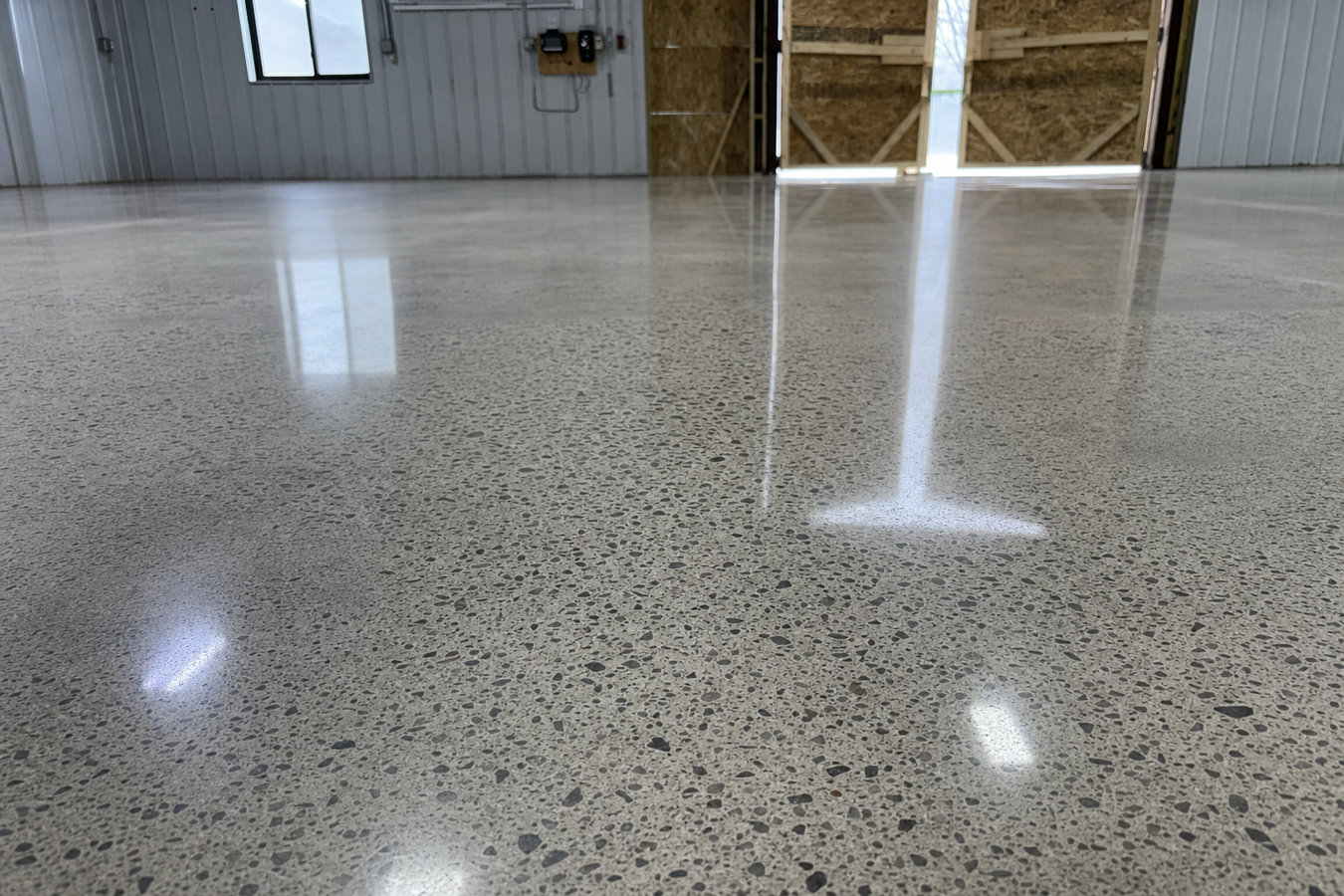
Abilene heat, clay soil, and hard rains wear down unprotected concrete fast. A proper seal keeps moisture out, stains off, and your surface looking good longer.
Concrete sealing in Abilene puts a protective barrier over your surface that keeps water, oil, and stains from soaking in - most jobs on a standard driveway or patio are cleaned, prepped, and sealed in a single day, with a 24-to-72-hour curing window before full traffic.
Think of it like a raincoat for your concrete. Without it, every rainstorm and oil drip works its way into the surface and starts breaking it down from the inside. Abilene's wet-dry cycles are particularly hard on unsealed concrete because the clay soil underneath shifts with every moisture change, and water inside the slab speeds up that cracking cycle. Good prep - cleaning, crack filling, and letting the surface dry - is what makes a sealing job last. If you are also planning to resurface or add a decorative finish, check out concrete resurfacing and overlays as a complement to sealing.
We handle the whole process - assessment, pressure washing, crack repair, and sealer application - so you are not left managing multiple contractors or wondering if the prep was done right.
Pour a small cup of water on your concrete and watch what happens. If it soaks in within a few seconds and darkens the surface, the sealer is gone and your concrete is unprotected. This is the clearest sign it is time to reseal - and in Abilene's summer heat, exposed concrete deteriorates faster than most homeowners expect.
After a long hot Abilene summer, you may notice a web of fine cracks spreading across your driveway or patio. Those cracks are entry points for the next round of rain, and once water gets in and the clay soil shifts again, small cracks become larger ones. Sealing after crack filling stops that progression before it gets expensive.
If a drip from your car or a rust ring from a metal planter has left a permanent mark, the surface is porous and absorbing what lands on it. Sealed concrete resists staining because liquids sit on top long enough to be wiped away. Stains that are already set can often be cleaned during prep before the new sealer goes down.
Concrete that has been through years of Abilene sun and wind often develops a bleached, chalky appearance and a rougher texture than it had when new. That roughness means the surface has been worn down and is now more vulnerable. A fresh seal can restore both protection and a cleaner, more even appearance.
Not every surface needs the same product. We start every job with a walkthrough to assess the condition of your concrete, what it is used for, and how much traffic it gets. For driveways and exterior slabs, a penetrating silane-siloxane sealer is often the right call - it soaks in, is virtually invisible, and stands up well to Abilene's UV exposure without peeling or chalking. For garage floors and decorative surfaces, a film-forming acrylic or polyurethane sealer can add a clean sheen while still offering strong stain and moisture resistance. Sealing pairs naturally with polished concrete flooring to maintain that smooth, reflective finish over time.
Every sealing job we do includes thorough surface prep - pressure washing, crack filling, and a dry-time check before any product goes down. We will not apply sealer over a surface that is not ready, because a shortcut at that stage is the main reason sealers fail early. The concrete resurfacing and overlays service is available when a slab needs more than sealing alone, and we will tell you honestly during the estimate if that is the right path for your surface.
Best for driveways, sidewalks, and exterior slabs where a natural look is preferred and UV durability is the priority.
A good fit for patios and decorative surfaces where a subtle sheen adds to the finished appearance without looking overly glossy.
Ideal for garage floors and high-traffic interior slabs that need chemical and abrasion resistance along with moisture protection.
Right for driveways and patios where existing cracks need to be filled and stabilized before a fresh sealer coat goes down.
Abilene sits on expansive clay soil that swells when wet and shrinks when dry. Every rain event followed by a dry stretch - a pattern Abilene sees throughout the year - moves the ground beneath your slab. Water that gets into unsealed concrete during those rain events accelerates cracking, and by the time homeowners notice the damage, it has often been building for years. A significant share of Abilene's residential neighborhoods were built in the 1950s through 1980s, and many of those original driveways and sidewalks have never had a protective sealer applied. Homeowners in areas like Lawn and across the wider Abilene area deal with these same conditions, and properly sealed concrete simply holds up longer here than it would in a more forgiving climate.
The heat and UV exposure add another layer of wear. Abilene averages over 250 sunny days a year, and summer highs regularly exceed 100 degrees F. That constant sun bleaches and dries out concrete surfaces faster than in most Texas markets, and the windblown grit that comes with West Texas weather acts like fine sandpaper on anything unprotected. A quality sealer slows that process down significantly. The best time to seal is spring or fall - temperatures between 50 and 90 degrees F give the product the curing window it needs. Homeowners near Tuscola and the surrounding communities benefit from the same scheduling approach, and we factor local conditions into every estimate we give.
Tell us what you have - driveway, patio, garage floor, or a combination. We reply within one business day and schedule a free on-site visit. No price is given until we see the concrete - the condition of the surface changes what the job involves.
We walk the concrete with you, look for cracks, previous sealer that is peeling, and any areas that need repair before sealing can happen. You get a clear written estimate before anything is scheduled - no obligation to move forward.
Clear the area before the crew arrives - vehicles out, furniture moved. We pressure wash the surface, fill any cracks, and let everything dry completely before the sealer goes down. Application typically takes a few hours once prep is done.
Plan on keeping foot traffic off for 24 hours and vehicles off for 48 to 72 hours. In Abilene's dry climate, drying often happens faster - but your crew will give you a specific window based on the product used and that day's weather, along with written care instructions.
Free estimate, no obligation. We reply within one business day.
(325) 283-1765We do not use the same product on every job. Driveways, patios, and garage floors have different traffic loads, UV exposure, and finish expectations. We tell you exactly which sealer we are recommending and why before we apply anything - so you can make an informed decision.
Portland Cement Association - concrete durability resourcesWe fill cracks before the sealer goes down - not after, not on the next visit. Sealing over unfilled cracks just puts a thin layer over an open wound. In Abilene's clay-soil environment, those cracks will grow if water can still get in, and a sealed-over crack is harder to spot until it is already much worse.
We have worked on slabs across the Abilene area long enough to know how local weather patterns affect cure times and sealer longevity. We schedule around temperature windows and tell you honestly how long to expect your seal to last given your surface type and how much traffic it sees.
Before we leave, we walk the finished surface with you and give you written guidance on what cleaning products are safe, what to avoid, and when to plan on resealing. Most contractors skip this step. We include it because it is how you get the most life out of the work we did.
Good sealing is mostly about good prep and the right product choice - and both of those come from knowing the local conditions. That is what we bring to every job in Abilene and the surrounding area.
When a slab needs more than sealing, resurfacing can restore a damaged or worn surface before protection is applied.
Learn MoreSealing is often the finishing step for polished concrete, locking in the reflective surface and making it easy to maintain.
Learn MoreSummer is hard on unprotected concrete - lock in your appointment before the heat does more damage to your driveway or patio.