
Loading...
Serving Abilene, TX and surrounding areas. (325) 283-1765
Serving Abilene, TX and surrounding areas. (325) 283-1765
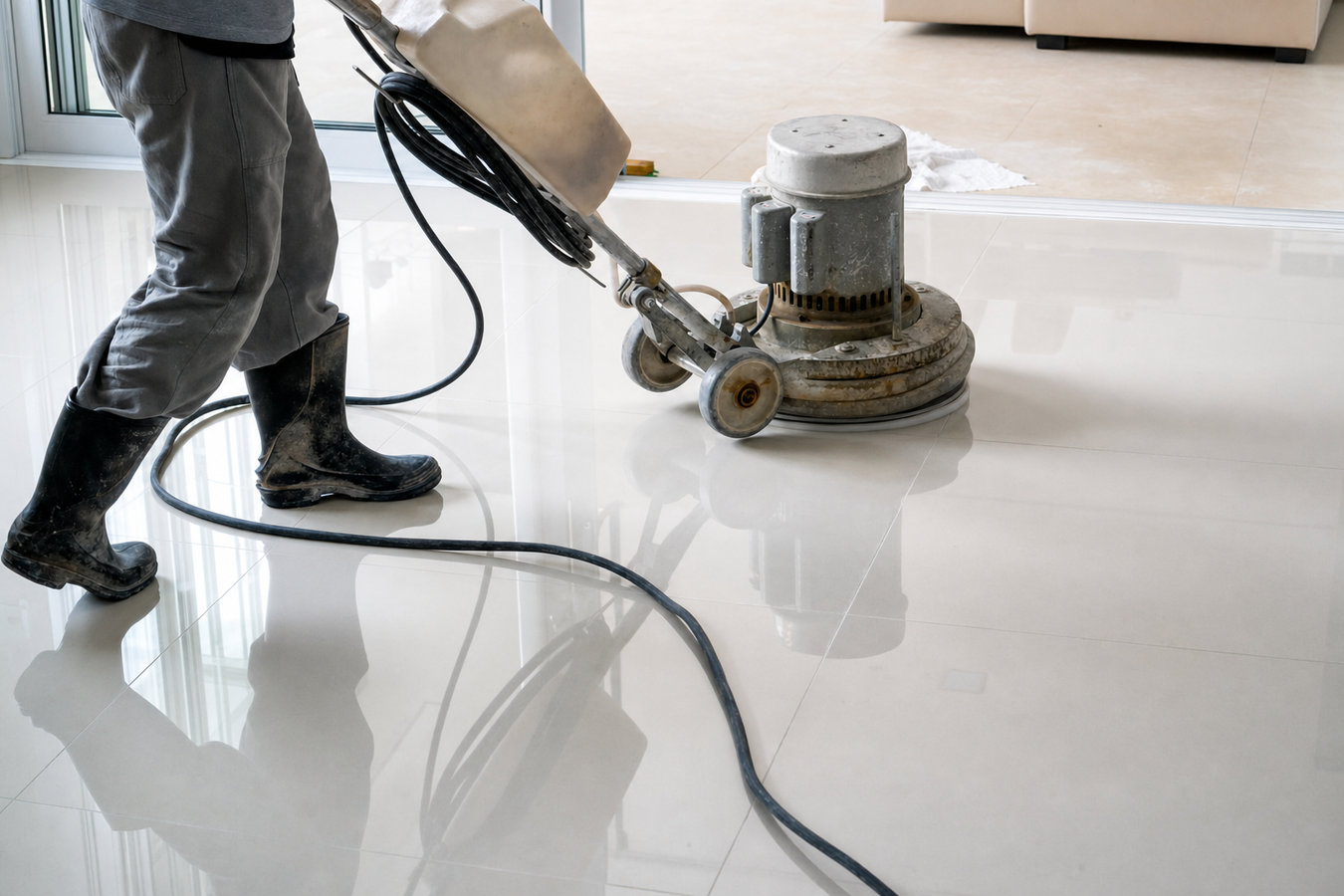
Old concrete that is cracked, heaved, or in the way does not have to stay there. We break it up, haul it off, and leave the ground ready for whatever comes next.
Old concrete that is cracked, heaved, or in the way does not have to stay there. We break it up, haul it off, and leave the ground ready for whatever comes next.
Concrete floor stripping and removal in Abilene, TX means taking out an existing slab - whether a garage floor, patio, driveway, or interior concrete - breaking it up, hauling it away, and leaving the ground underneath clean and ready for the next phase, with most residential jobs completed in one to two days.
In Abilene, the answer often comes down to the soil. The city sits on a band of shrink-swell clay that expands when it gets wet and contracts when it dries out. Over time, that movement pushes concrete out of position - cracks widen, sections lift or settle, and patching becomes a recurring expense rather than a solution. When a slab has been actively moving for years, removing it and starting fresh is often the only way to get a floor that stays put. This is something we see constantly in older Abilene neighborhoods, particularly the brick ranch homes built in the 1950s through 1970s where the original slabs have never been replaced.
Sometimes the decision is not about damage at all - it is about what you want the space to become. Converting a garage to living space, finishing a basement area, or changing the grade of an outdoor area all require the existing slab to come out first. Once it is gone, you have a clean surface to work with. If your goal is a fresh epoxy or polished concrete floor after removal, our epoxy floor coatings and concrete grinding and surface preparation services pick up right where removal leaves off.
If you are seeing cracks that have grown longer or wider over time - especially diagonal cracks or a stair-step pattern - the slab has shifted and is no longer structurally sound. In Abilene, this pattern is especially common because the clay soil expands and contracts with every wet and dry cycle. Patching cracks in a slab that is actively moving is a short-term fix at best.
Walk slowly across your concrete floor and pay attention to any bump or dip. Uneven concrete - where one section has risen above another or sunk below the surrounding area - is a sign the ground underneath has moved. This is a common result of Abilene's shrink-swell soil and can create both a tripping hazard and a drainage problem.
If water collects on your concrete floor after a heavy rain - or if you see moisture coming up through the slab - the drainage situation is not working. Abilene gets intense, fast-moving thunderstorms that dump a lot of water quickly, and a slab that was not properly graded or sealed can trap that water. In some cases, removal and re-pouring with proper drainage prep is the only lasting fix.
Sometimes the decision to remove concrete is not about damage - it is about what you want the space to become. Converting a garage to living space, changing an outdoor grade, or installing a different flooring system often requires removing the existing slab entirely. Removal is the starting point for getting the floor where it needs to be.
Our removal work covers the full process from first break to final cleanup. We bring in the right equipment for your specific slab - jackhammers and electric chipping hammers for tight residential spaces, heavier machinery for larger open areas. Slabs that contain rebar or wire mesh require additional time and equipment to cut through the steel and separate it from the concrete before haul-off. We factor that in during our on-site assessment so the estimate you receive accounts for what we actually find, not a best-case assumption.
Dust control is part of every job. Breaking up concrete releases fine silica particles, and in Abilene's dry, windy conditions that dust travels fast. We use wet-cutting methods and keep the work area wet throughout the job to minimize airborne particles. Once the concrete is out, we clean the subgrade and walk it with you so you can see the condition of the ground before any next-phase work begins. For guidance on silica dust safety standards in concrete demolition, the OSHA silica standard for construction explains the practices that protect both workers and homeowners during this type of work. Whether your next step is new concrete, epoxy flooring, or a different surface entirely, our epoxy floor coatings and concrete grinding and surface preparation services are ready to take over once the removal is complete.
Complete removal of garage floors, patio slabs, driveways, and interior concrete - broken up, loaded, and hauled to a recycling or disposal facility.
Steel reinforcement is cut and separated from the concrete debris and disposed of separately - we assess this upfront so it is in your estimate, not a surprise.
Wet-cutting methods and periodic wetting of the work area keep silica dust from spreading across your property during demolition.
After the concrete is out, we rake and clean the area and walk the exposed ground with you so you know exactly what condition the subgrade is in before the next phase begins.
Two conditions make concrete removal work in Abilene distinct from what you encounter in other parts of Texas. The first is the clay soil. Abilene's shrink-swell clay causes slabs to crack and move more aggressively than in areas with more stable ground, which means many of the slabs we remove here are significantly more deteriorated than their age would suggest. After the concrete comes out, we always walk the exposed subgrade with the homeowner and point out anything that needs attention - soft spots, uneven settling, drainage issues - before any new work begins. Skipping that step is how the same problem ends up recurring a few years later. Homeowners in communities like Wylie and Clyde know this pattern well - it shows up in garages, patios, and driveways throughout the area.
The second condition is caliche. Beneath Abilene's clay topsoil, many properties have a layer of caliche - a hard, chalky calcium carbonate deposit that forms a few feet underground. When contractors hit caliche during removal or subgrade prep, it can slow the job and require heavier equipment. We ask about this during our on-site assessment because it affects the timeline and sometimes the equipment we bring. For guidance on sound concrete removal and debris handling practices, the EPA's construction and demolition materials guidance covers responsible disposal and recycling, which is where most of the broken concrete from our jobs ends up.
We will ask basic questions about your slab and schedule a free on-site visit. We do not quote concrete removal over the phone - the slab needs to be seen in person to give you an accurate number.
We measure the area, check slab thickness and condition, look for steel reinforcement, and ask what you plan to do with the space afterward. You receive a written estimate that breaks out labor, equipment, and haul-off costs separately - not a single lump-sum number.
Move vehicles, stored items, and furniture off and away from the slab. Plan for the driveway or access area to be occupied by our equipment for most of the workday. We will handle the rest.
The crew breaks the slab, loads and removes the debris, and cleans the work area. Before we leave, we walk the exposed subgrade with you, point out anything that needs attention, and confirm the ground is ready for your next phase.
Spring and fall book fast in West Texas. Call or send a message now - we will respond within one business day with a free on-site estimate and a clear timeline for your project.
(325) 283-1765We do not quote removal jobs over the phone. We come out, look at your slab, check for rebar and thickness, and give you an itemized written estimate that covers labor, equipment, and haul-off. The number you approve is the number on the final invoice.
Abilene's soil conditions - the shrink-swell clay and the caliche layer underneath - affect how removal jobs play out in ways that contractors from outside the area may not anticipate. We have worked on slabs throughout the city and know what to expect when we get below the concrete.
Concrete demolition releases silica dust, and Abilene's dry wind spreads it fast. We use wet-cutting methods throughout every job and clean the surrounding area before we leave - your landscaping, driveway, and neighboring surfaces are not the collateral damage of your project. The OSHA silica standards set the baseline for how this work should be done safely.
When the concrete is out, we walk the exposed ground with you. We point out anything that needs attention - soft spots, caliche, drainage concerns - so you are never handed a problem without a path forward. We consider the job done when the ground is ready for what comes next, not just when the debris is gone.
Honest pricing, local soil knowledge, dust control, and a clean handoff - those are the four things that turn a concrete removal job from a stressful day into a straightforward step in your project. That is how we approach every job in Abilene.
Once the old concrete is out, epoxy is one of the most durable and low-maintenance floor options for garages and interior spaces in Abilene.
Learn MoreFor slabs that stay in place, grinding levels the surface and opens the pores for new coatings to bond - the first step in any quality refinishing project.
Learn MoreSpring and fall are the best seasons for this work in West Texas, and those windows book quickly. Call or send a message now and we will get your on-site estimate scheduled within one business day.